Fundamental Passing Techniques for Beginners
Overview of essential passing methods including wrist pass, shoulder pass, and bounce pass. Develop understanding of proper grip, arm positioning, and timing for effective team coordination.
Read GuideComprehensive training guide covering fundamental techniques, strategic positioning, and athlete conditioning programs for competitive handball development.
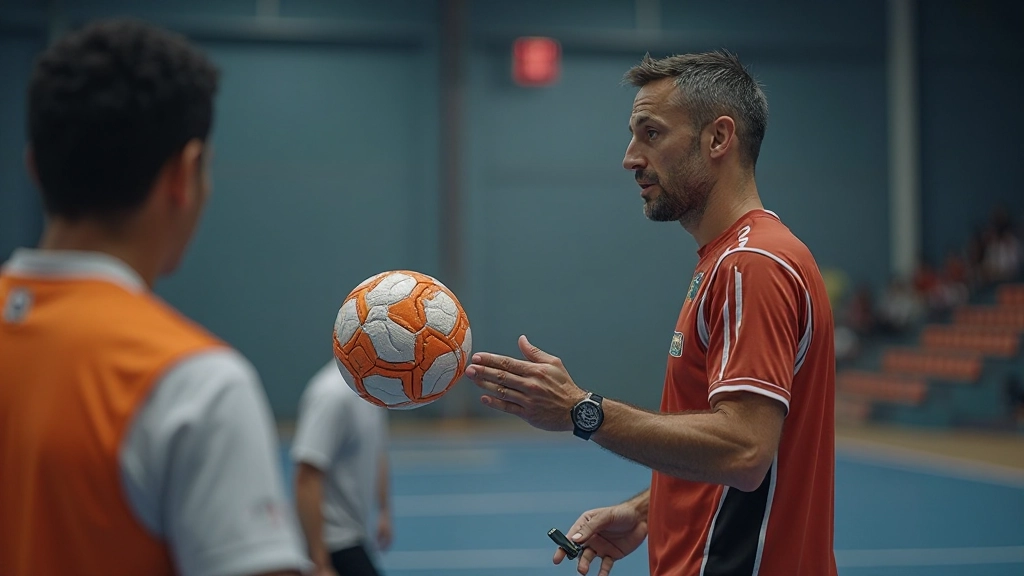
Explore our comprehensive collection of coaching materials and athlete development resources
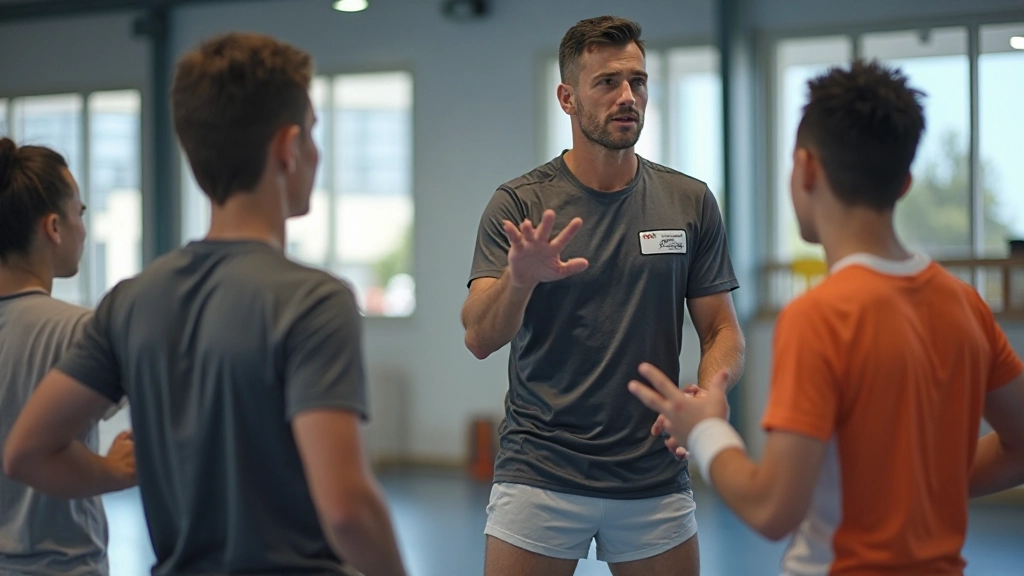
Overview of essential passing methods including wrist pass, shoulder pass, and bounce pass. Develop understanding of proper grip, arm positioning, and timing for effective team coordination.
Read Guide
Examination of defensive formations, player positioning concepts, and communication protocols. Learn how teams organize defensive structures to manage offensive plays and build comprehensive game awareness.
Read Guide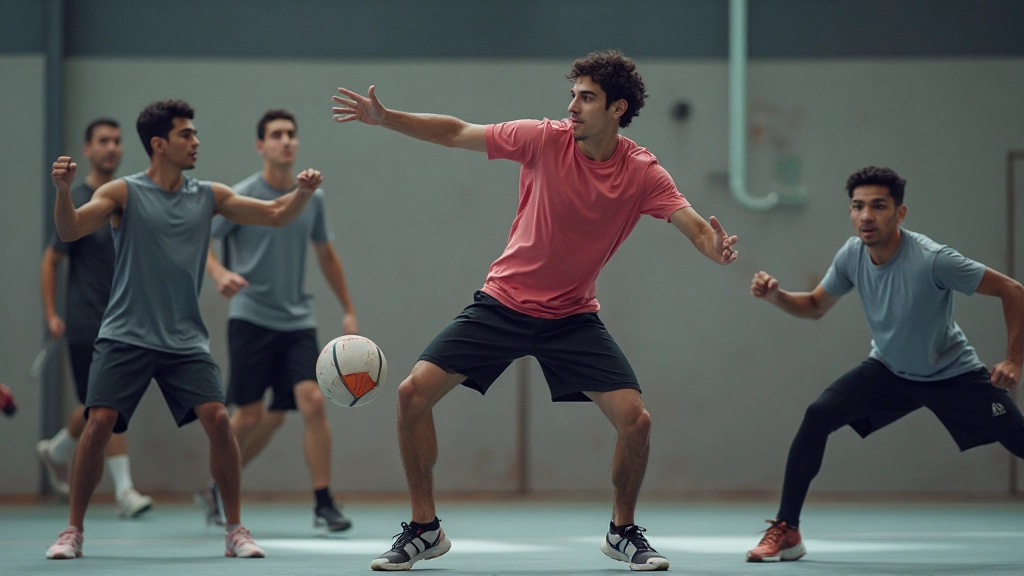
Information about physical conditioning approaches including cardiovascular training, strength development, and flexibility protocols. Understand how athletes prepare their bodies for the demands of competitive handball.
Read GuideEssential foundations for developing effective handball coaching programs
Building skills systematically from foundational techniques through advanced game strategies, ensuring athletes develop comprehensive abilities at appropriate developmental stages.
Emphasizing synchronized movement patterns and communication protocols that enable players to function as cohesive units during competitive match situations.
Prioritizing comprehensive physical conditioning, injury prevention, and recovery protocols to maintain athlete health and performance capacity throughout training cycles.
Developing cognitive awareness of game situations, opponent analysis, and strategic decision-making that distinguishes advanced athletes in competitive environments.
Implementing systematic evaluation methods to monitor athlete progress, identify improvement areas, and adjust training approaches based on measurable outcomes.
Maintaining comprehensive injury prevention strategies, proper equipment usage, and emergency response procedures during all training and competitive activities.
Comprehensive framework for developing complete handball athletes
Systematic instruction in fundamental handball skills including passing accuracy, shooting mechanics, footwork patterns, and ball handling proficiency. Progressive training methodologies ensure athletes build proper motor patterns and muscle memory.
Training athletes to understand and execute defensive formations, offensive positioning, and situational awareness. Players learn to recognize game situations and respond with appropriate positioning and movement patterns.
Comprehensive training programs addressing cardiovascular fitness, strength development, flexibility, and sport-specific conditioning. Athletes develop the physical capacity required for sustained competitive performance.
Developing players' understanding of tactical situations, opponent analysis, and strategic decision-making during matches. Coaches implement educational approaches that build critical thinking and game intelligence.
Egypt has developed a significant handball tradition with numerous professional teams and coaching infrastructure. The sport continues to grow through systematic development programs at club and national levels.
This training guide provides comprehensive information for coaches and athletes seeking to improve their understanding of handball fundamentals, strategic approaches, and conditioning methodologies. The resource covers educational content applicable to various training contexts and competitive levels.
Detailed information on all aspects of handball coaching and athlete development
Actionable coaching strategies and training methodologies for various skill levels
Supporting development of handball athletes and coaches throughout Egypt
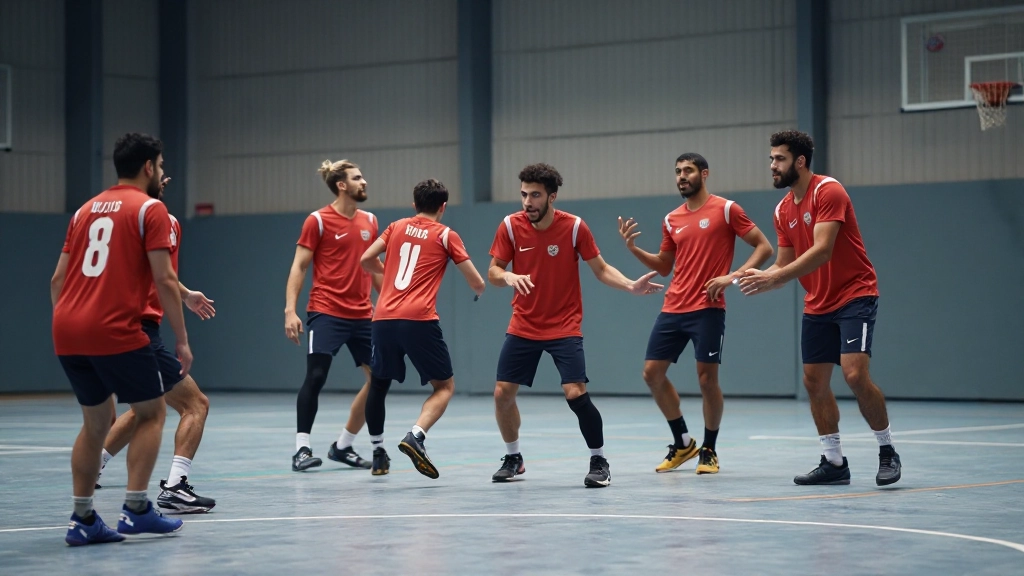
Have questions about handball training or coaching development? We're here to provide information and support.
Receive personalized coaching information and resources
Get guidance on training program development
Connect with handball coaching expertise
Learn about athlete development approaches
Common questions about handball coaching and athlete development
Handball employs several primary passing methods including the wrist pass (using wrist snap for control), shoulder pass (generating power from shoulder rotation), and bounce pass (directing ball toward ground). Each technique serves specific tactical purposes and requires proper grip and arm positioning for accuracy and effectiveness.
Defensive strategy involves organizing players in formations that create coverage of the court. Common approaches include zone defense (where players protect specific areas) and player-to-player defense (where each defender marks a specific opponent). Team communication and positioning awareness are essential for effective defensive implementation.
Comprehensive conditioning addresses multiple physical dimensions: cardiovascular training builds endurance for sustained play, strength training develops power for shooting and movement, flexibility work improves range of motion and injury prevention, and sport-specific conditioning develops the explosive movements required in handball.
Coaches develop tactical understanding through game analysis, video review of match situations, practice drills emphasizing decision-making, and gradual introduction of complex strategic concepts. Athletes learn to recognize game patterns and respond appropriately through guided experience and constructive feedback.
Effective injury prevention includes proper warm-up protocols, appropriate strength and flexibility training, correct technique instruction, progressive intensity increases, adequate recovery time, and use of appropriate protective equipment. Coaches should monitor athletes for overtraining and adjust programs accordingly.
Progressive training follows developmental stages, beginning with fundamental skill acquisition, advancing to tactical application, and culminating in competitive game situations. Coaches adjust complexity and intensity based on athlete abilities, providing appropriate challenge while maintaining success experiences and motivation.