Communication Protocols and Team Coordination
Effective communication transforms individual positioning efforts
into coordinated defensive systems. Players must verbally
communicate position changes, opponent switches, and tactical
adjustments throughout play. Experienced teams develop
standardized terminology that allows rapid information exchange
without excessive talking that might distract focus.
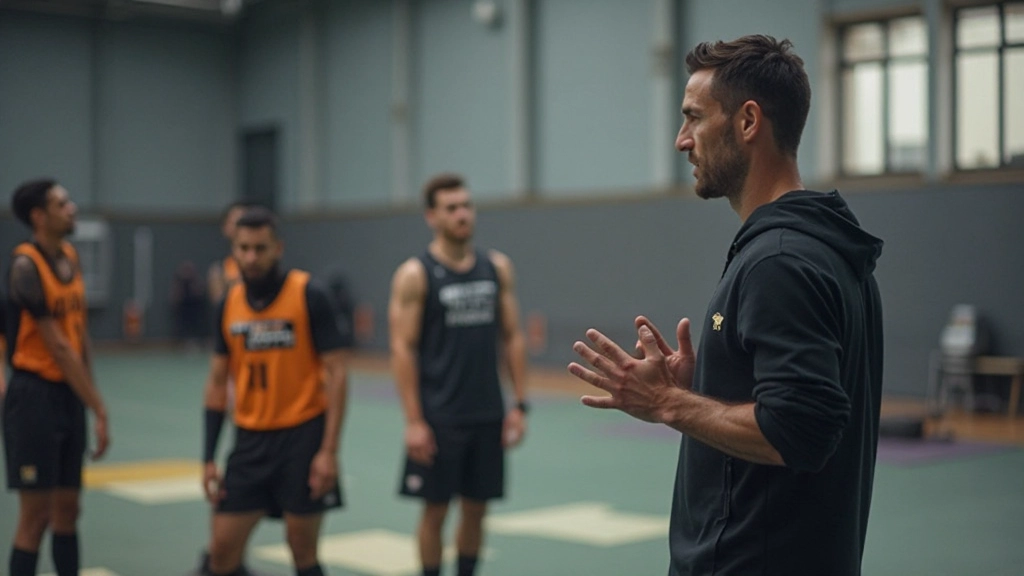
Hand signals supplement verbal communication, providing visual
confirmation of positioning changes and defensive adjustments.
Teams establish consistent signals for common situations such as
marking switches, defensive pressure increases, or formation
adjustments. This visual language enables communication across
court distances where voice clarity might fail.
Communication Fundamentals
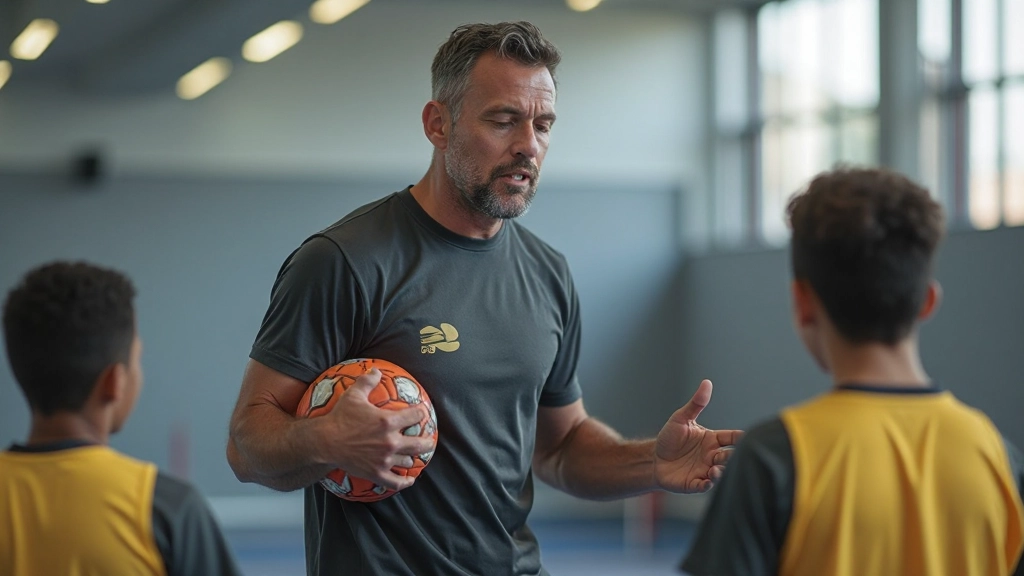
Regular communication during practice sessions develops
automatic communication habits that transfer to competitive
matches. Players learn to anticipate teammate positions and
respond to positioning changes without requiring explicit
instructions. This automaticity allows defenders to focus on
offensive player movements while maintaining formation
discipline.
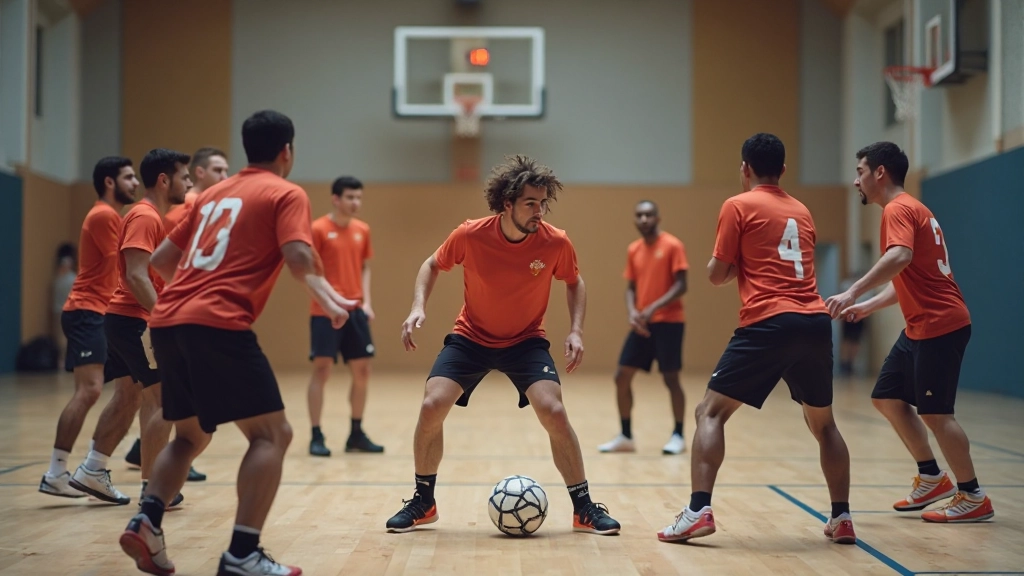
Defensive line synchronization depends on players maintaining
consistent spacing intervals. When offensive players attempt to
create separation, defenders must adjust positioning collectively
rather than individually. Coordinated adjustment prevents gaps
that offensive players exploit for scoring opportunities.